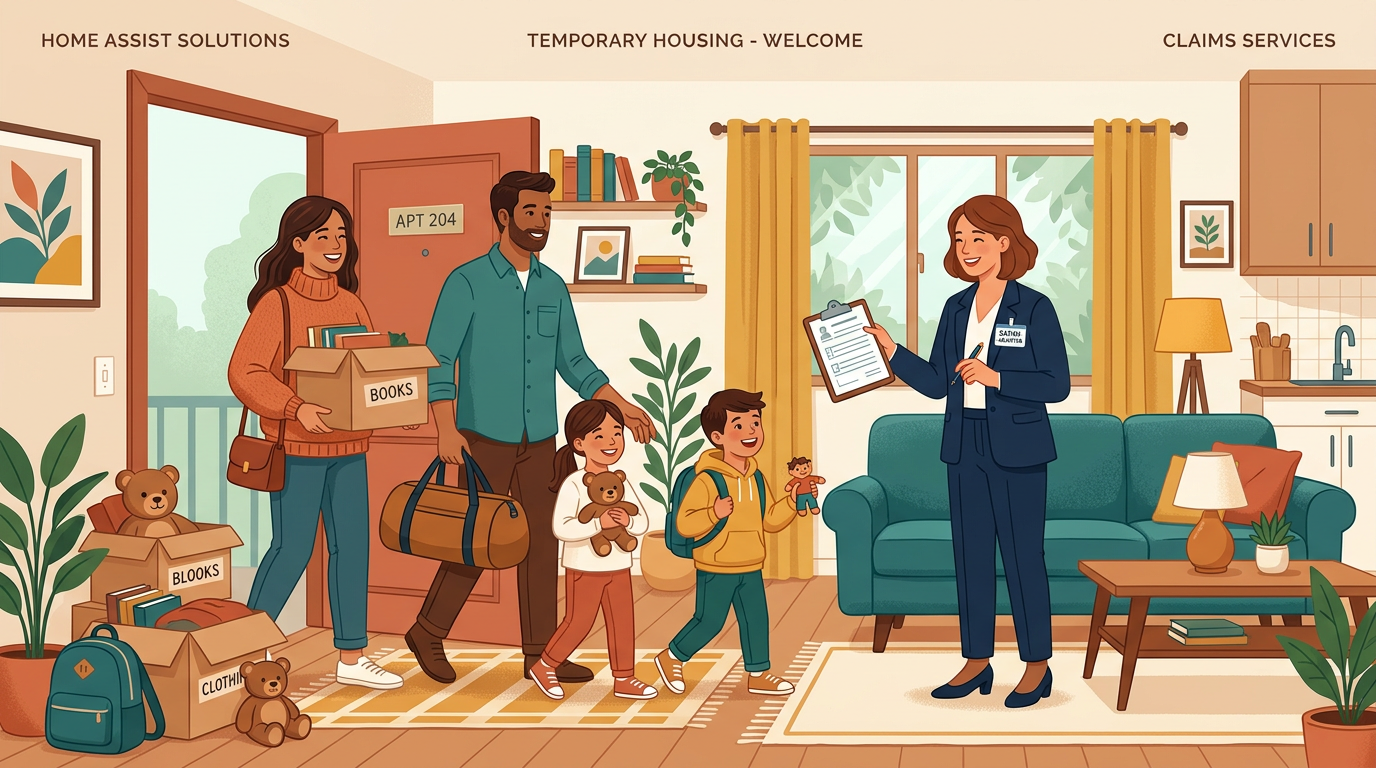
Disasters such as fires, floods or storms can make your home unsafe to live in. When this happens, many insurance policies include coverage for temporary housing. Knowing what to expect and how to find suitable accommodation can ease some of the stress during a difficult time.
What Is Insurance Housing?
Insurance housing, also known as additional living expense coverage (ALE), pays for reasonable costs you incur while your home is being repaired. This could include hotel stays, rental homes and meals. In many cases, insurers work with housing specialists to place families in furnished homes similar to their own.
Types of Temporary Accommodation
- Hotels: Often used for short‑term stays immediately after a disaster. Useful for a few nights while you assess damage.
- Furnished apartments or homes: Ideal for longer restoration projects. These include kitchens and multiple bedrooms, giving your family room to live normally.
- Extended‑stay lodgings: A hybrid option that provides limited kitchen facilities and weekly rates.
Choosing the Right Place
When selecting temporary housing in Raleigh, consider:
- Proximity to your work and children’s schools.
- Whether the home is pet‑friendly if you have animals.
- Length of lease – some restorations can take months.
- Amenities such as internet, laundry and parking.
A Comfortable Option
Our five‑bedroom furnished home in Garner is available for families needing a temporary place after an emergency. With multiple bedrooms, a full kitchen and peaceful neighbourhood, it offers a stable environment while your home is repaired. Learn more and check dates on our main page.
Conclusion
Insurance housing helps families maintain normality when facing unexpected home repairs. Understanding your coverage and exploring furnished options can make the transition smoother. For more helpful guides, visit our articles page.
Related Articles
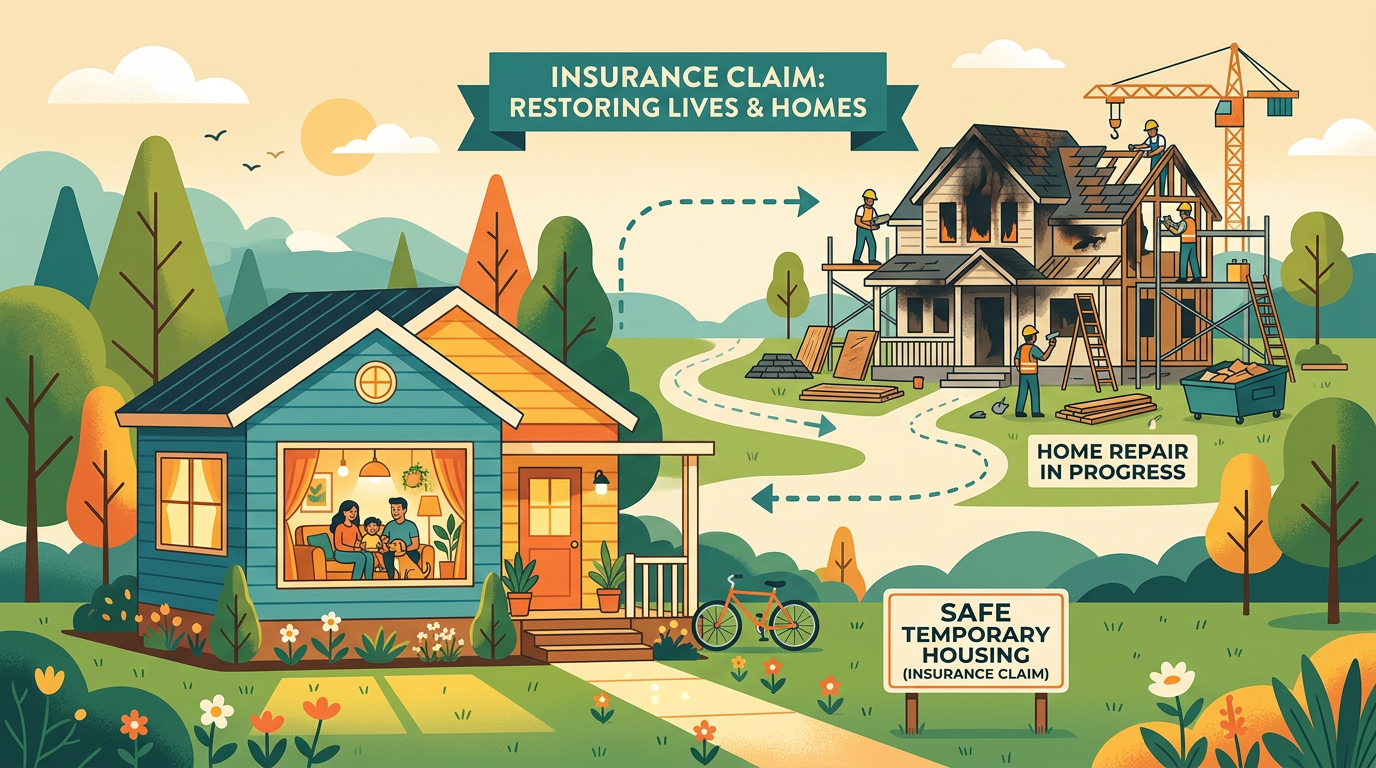
Learn how to secure safe, insurance‑approved temporary housing in Raleigh after a fire or major property loss.
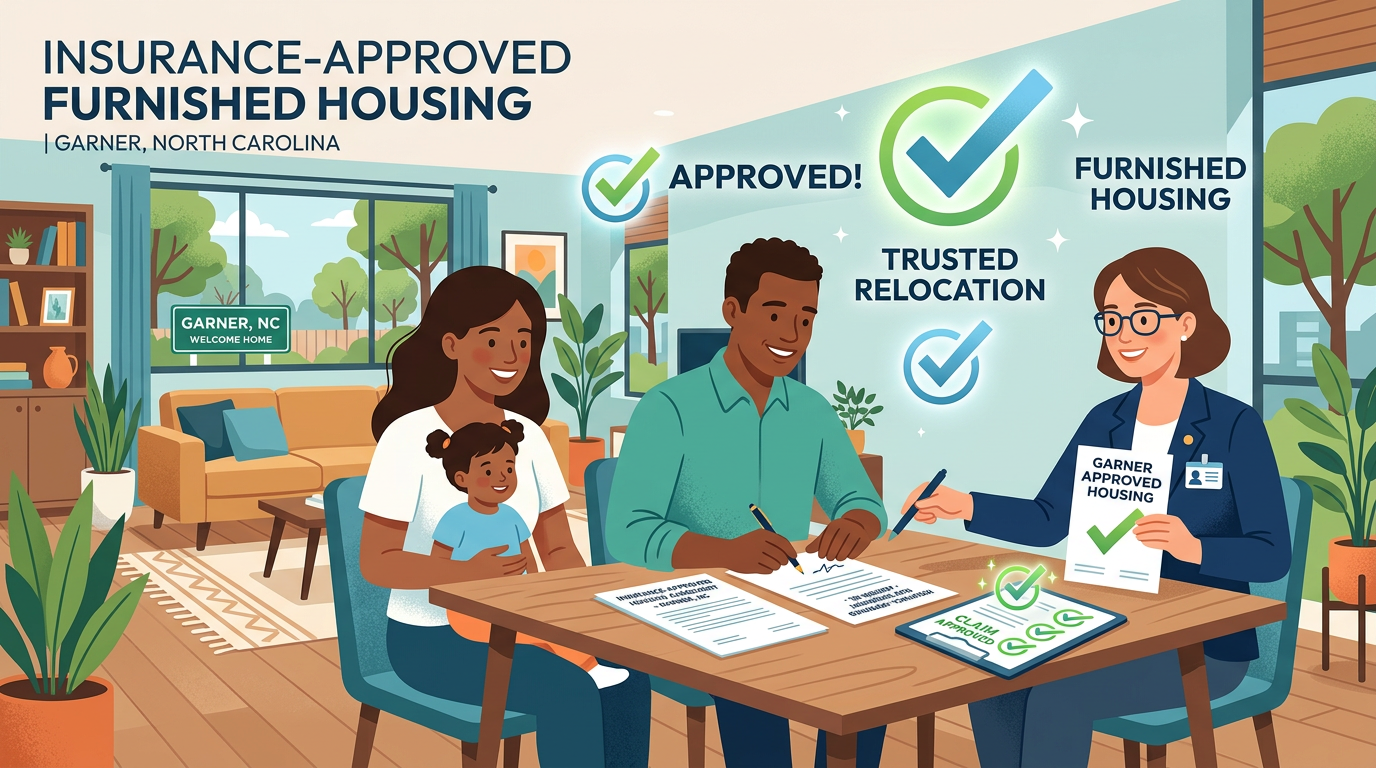
How families can work with insurers to secure comfortable, fully furnished homes in Garner after a claim.
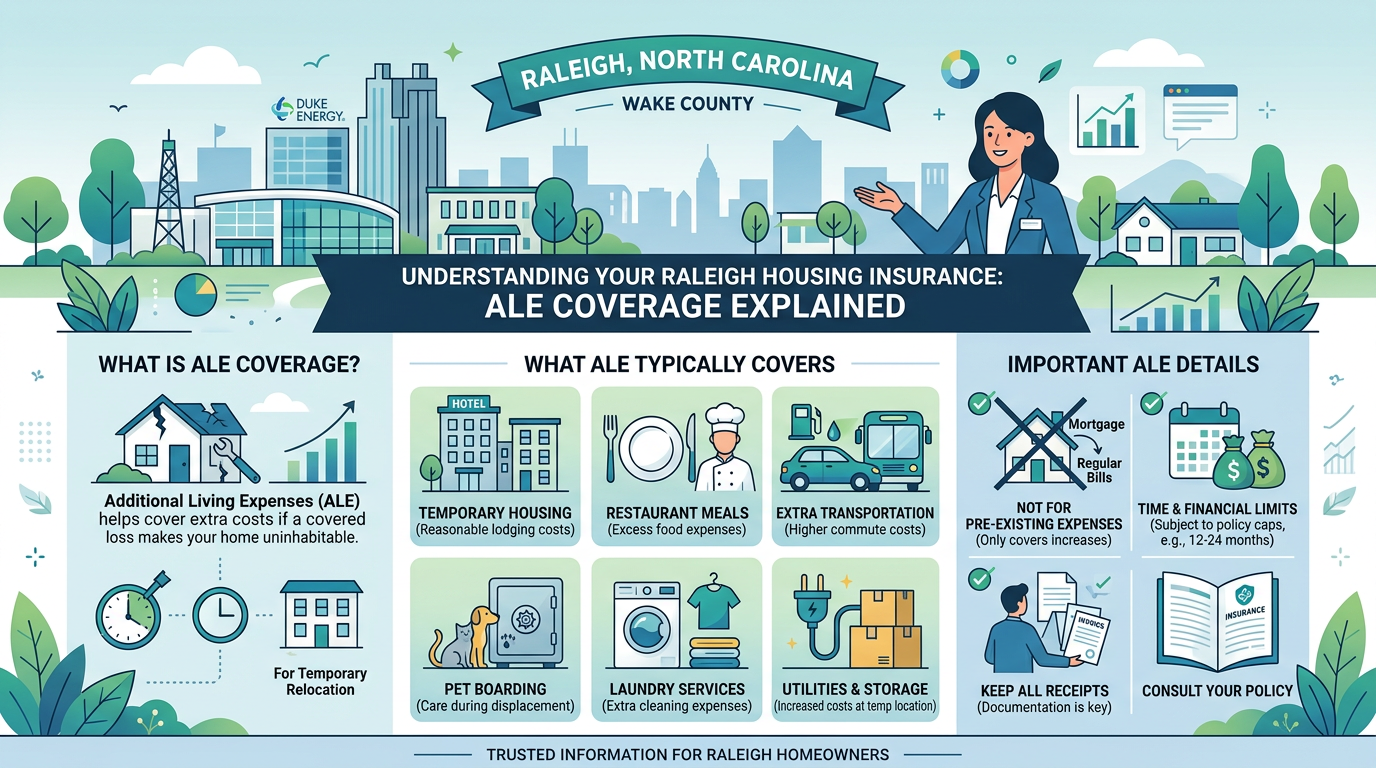
Key tips for understanding additional living expense (ALE) coverage and temporary housing near Raleigh.